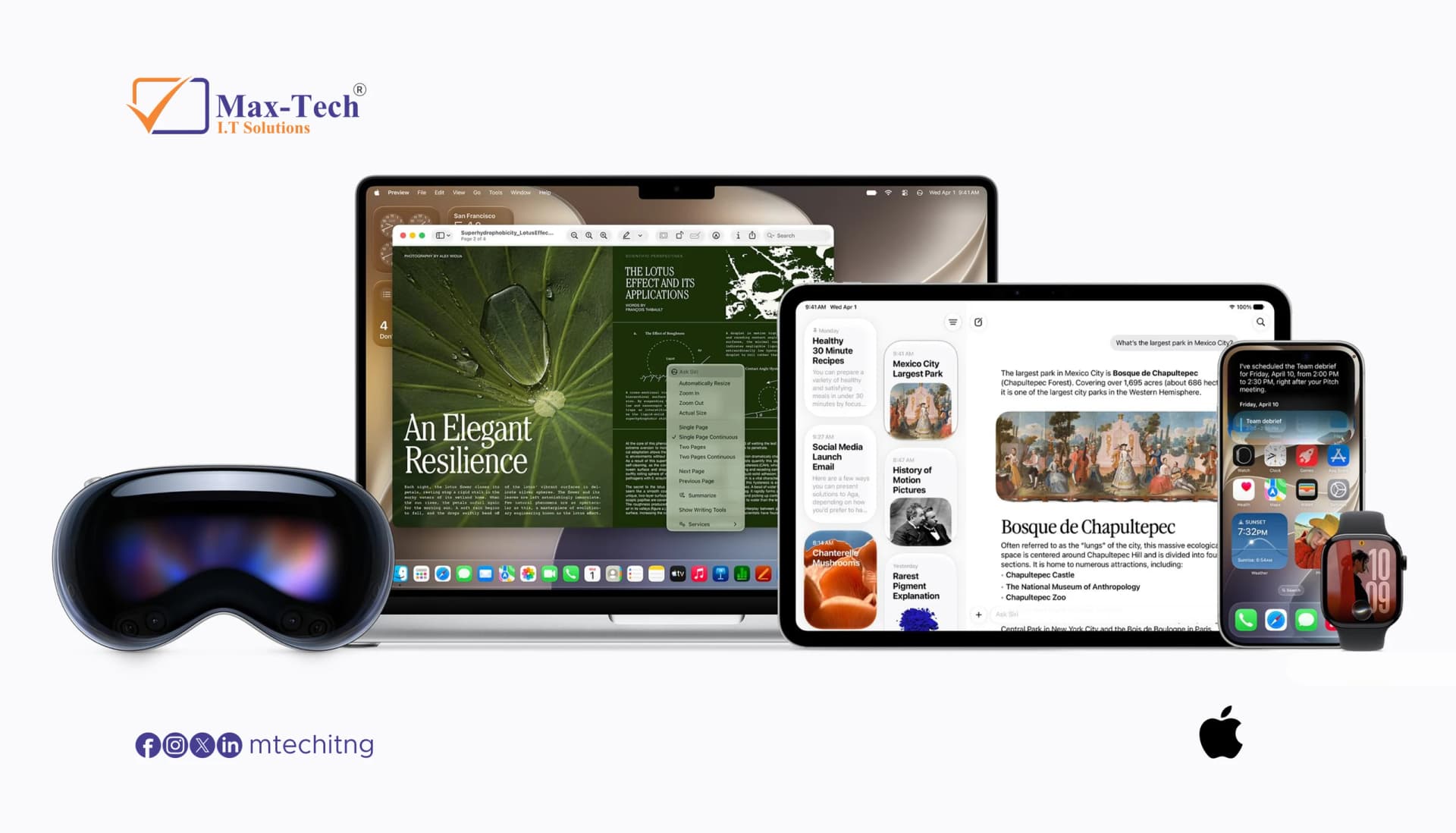

Apple is reportedly testing its upcoming smart glasses with a simplified version of visionOS 28, the operating system associated with Apple Vision Pro.
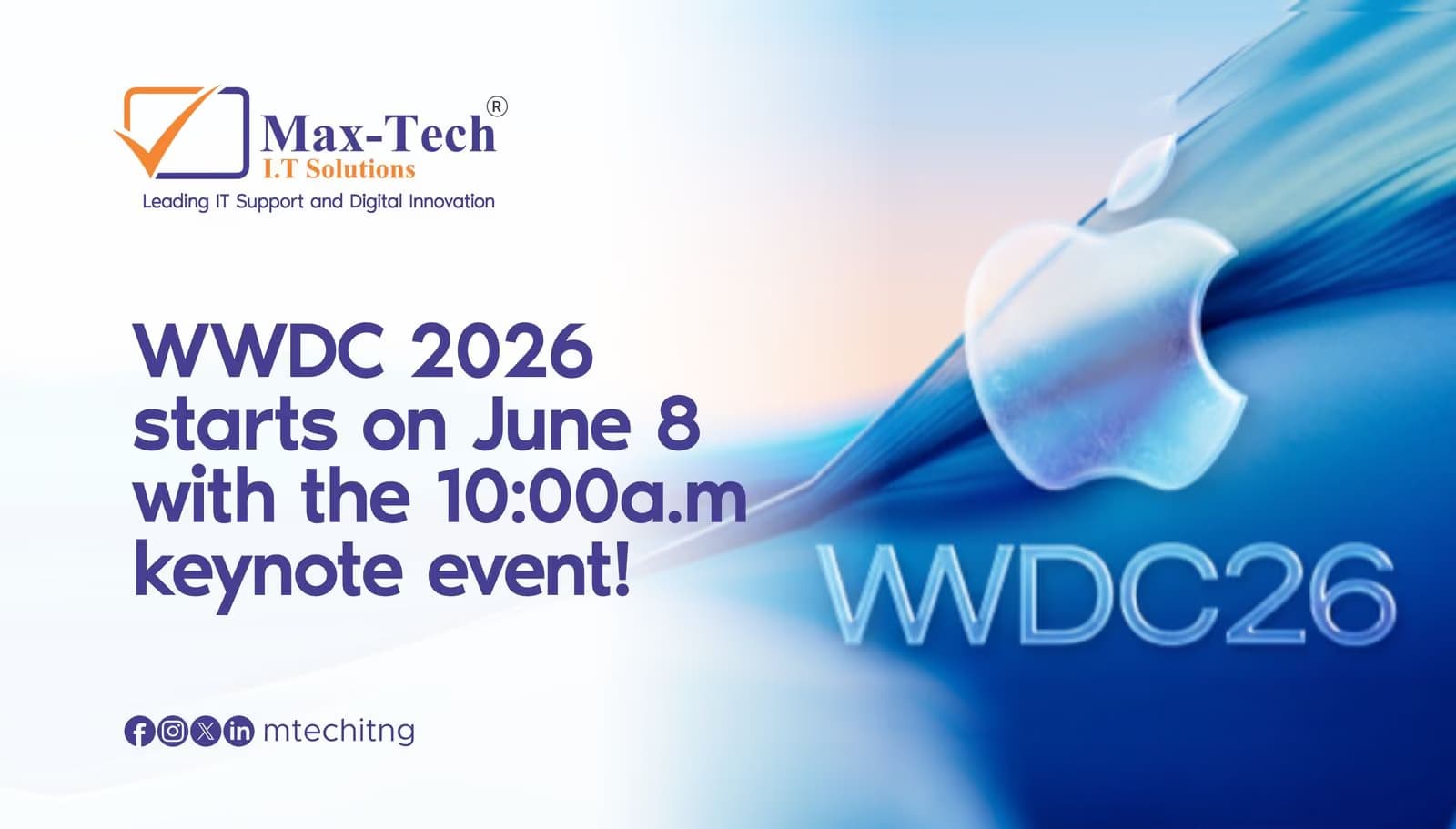
According to Bloomberg's Mark Gurman, the prototypes use a custom processor derived from older Apple Watch chips. Apple is reportedly targeting WWDC 2027 for an announcement.
Here are the key details.
What Apple's Smart Glasses Could Offer
The first generation is expected to focus on AI assistance rather than built-in augmented-reality displays.
Reported features include:
- Siri integration: Voice-controlled assistance without constantly reaching for an iPhone.
- Built-in cameras: Capture images and support Visual Intelligence.
- Microphones and speakers: Handle calls, music, notifications and voice commands.
- iPhone integration: Use the connected iPhone for many applications and processing tasks.
- Lightweight design: Conventional-looking eyewear designed for everyday use.
Why Is Apple Using visionOS 28?
The prototypes reportedly run a simplified version of visionOS rather than the full operating system used by Apple Vision Pro.
This approach could help Apple adapt its spatial computing software for smaller, lightweight hardware.
The reported Apple Watch-derived processor may also help manage power consumption and everyday functions.
Siri Could Become the Main Interface
Instead of relying on a traditional screen, users could interact with the glasses through voice commands.
Potential uses include:
- Identifying objects and landmarks.
- Translating conversations.
- Receiving notifications.
- Asking questions about surroundings.
- Managing reminders and other everyday tasks.
When Could Apple Launch Them?
According to current reports:
- Announcement target: WWDC 2027.
- Expected release: Later in 2027.
- Software: Simplified visionOS 28.
- Product category: AI-powered smart glasses.
These dates are not confirmed by Apple and could change.
What This Means for Wearable Technology
Apple's reported strategy suggests that its first smart glasses will prioritise practical AI assistance, cameras and audio rather than attempting to replace augmented-reality headsets.
If successful, the product could introduce a new way to interact with Siri and Apple's wider ecosystem.
At Max-Tech I.T Solutions, we continue to follow developments in AI, Apple products and wearable technology.