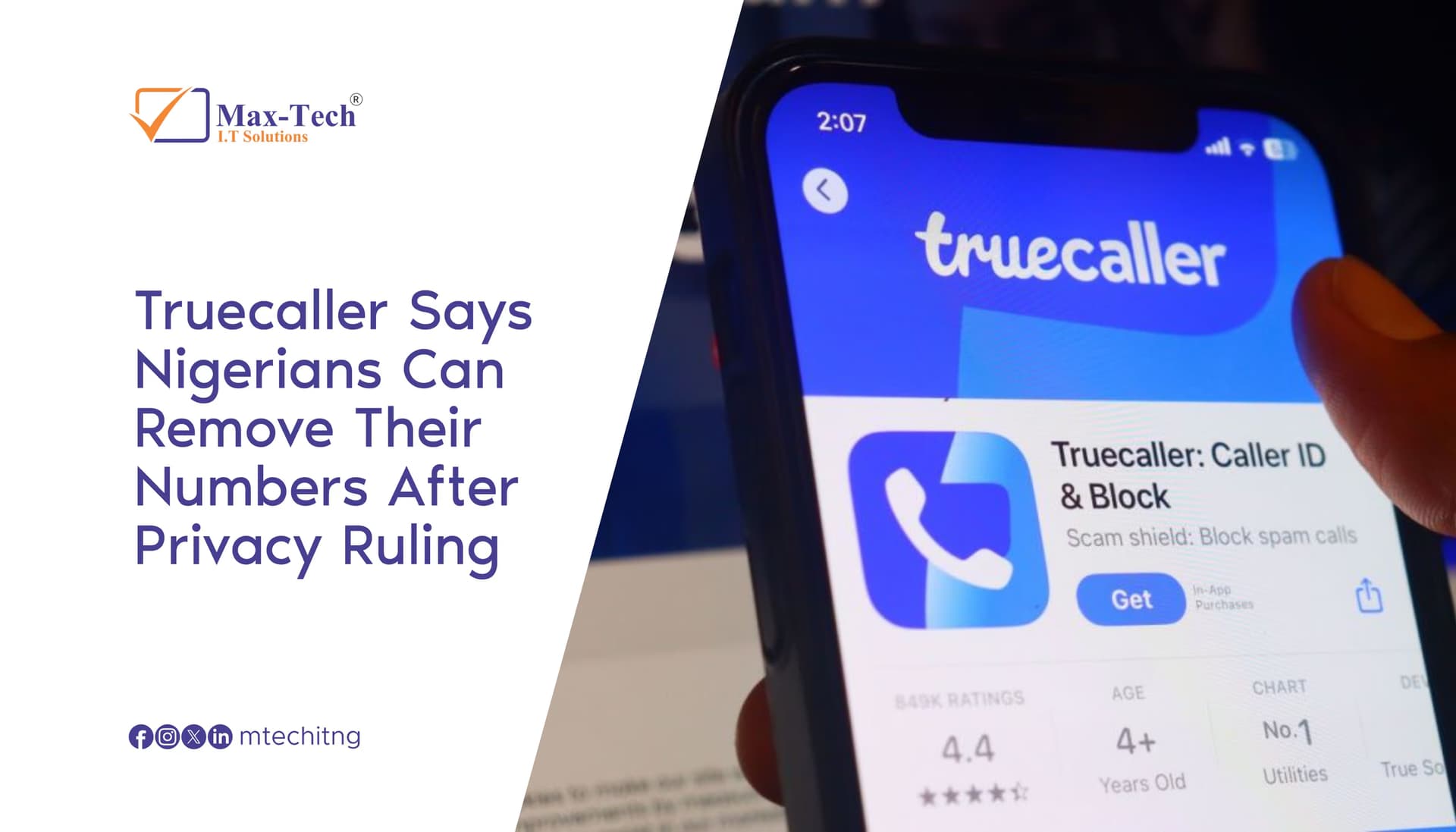

The case, brought by the Data Privacy Lawyers Association of Nigeria and others, focused on whether Truecaller could process the phone numbers of people who had never signed up for the service.
What Did the Court Say?
On September 14, 2026, the Lagos State High Court found that a Truecaller user's consent does not automatically amount to consent from people whose phone numbers appear in that user's contacts. The court also recognized that privacy protections under Nigeria's Constitution extend to personal information and personal data. LinkedIn
However, the court dismissed the application because the applicants did not establish an actual infringement of their constitutional privacy rights with sufficient evidence. The court also declined requests for damages and orders requiring Truecaller to stop processing non-users' data. The Trumpet Newspaper Nigeria
What Does This Mean for Nigerians?
The ruling highlights an important distinction between access to someone's contact information and that person's consent to have their data processed.
It also gives Nigerians who do not want their number searchable on Truecaller a practical option: unlisting their number from the service.
Truecaller's current unlisting tool allows anyone, including people who do not use the app, to request removal of their number from its searchable database. Truecaller says removal can take up to 24 hours. truecaller
How to Remove Your Number
If you don't want your number searchable on Truecaller:
- Visit Truecaller's unlisting page.
- Enter your phone number.
- Follow the verification steps.
- Wait for the removal process to complete.
Truecaller notes that numbers marked as spam cannot be unlisted through the standard process. Truecaller
Why This Matters
The case raises broader questions about how technology companies collect and process personal information obtained through other people's devices and contact lists.
For Nigerian users, it is also a reminder that privacy settings and data removal options are worth checking, especially when using apps that process personal information.
Your phone number is personal data. Knowing where it is being used and understanding your available privacy options is an important part of protecting your digital identity.