
“We’ll migrate when we have time.”
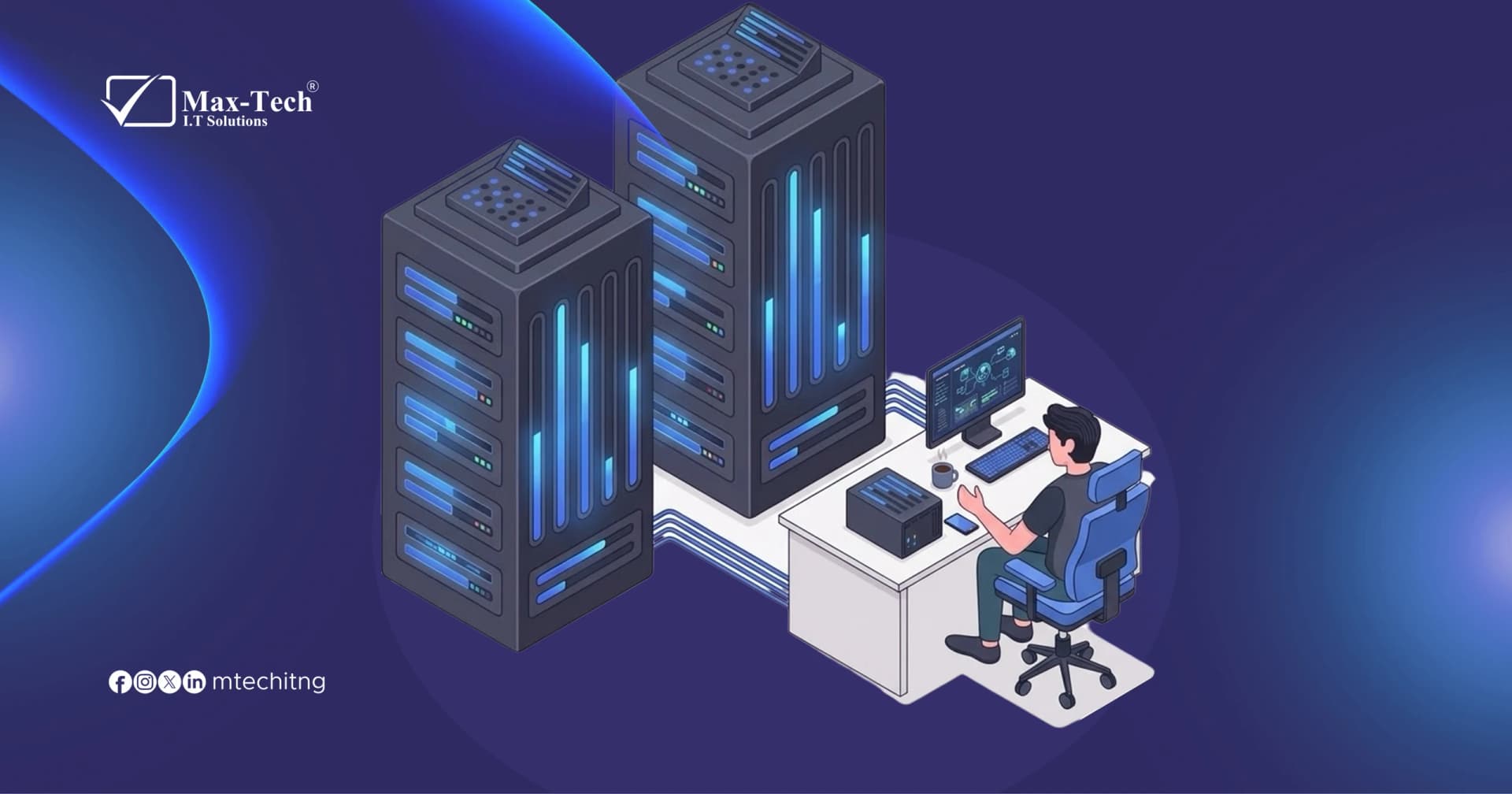
If you’ve said this about your server, you’re not alone. It’s one of the most common sentences in business IT, and one of the most expensive.
Why businesses keep delaying
Delay rarely comes from carelessness. The server still works, the team is busy, and a migration sounds like a big, risky project. So it moves to next quarter, then the one after.
What waiting really costs
An aging server doesn’t announce when it will fail. When it does, the costs stack up quickly:
- Downtime: your team can’t work, and customers can’t reach you.
- Emergency repair fees: urgent fixes cost more than planned work.
- Data risk: without a recent, tested backup, some data may not come back.
- Security gaps: old systems often stop receiving updates, leaving them open to attack.
Compare that with a planned migration, which is scheduled for a quiet period and tested before anything goes live.
Signs it’s time to move
- Your server is slowing down or crashing more often
- Your hardware or operating system is no longer supported
- Backups are unreliable, or nobody has tested them
- Your business has grown and the server is struggling to keep up
- Only one person knows how it works
- If two or more of these sound familiar, don’t wait.
What a smooth migration looks like
- Audit: identify what’s on the current server and what depends on it.
- Plan: choose the right destination (cloud, new hardware, or hybrid) and pick a low-traffic window.
- Back up: take a full backup and confirm it can be restored.
- Migrate and test: move the data and applications, then check everything works before switching over.
- Monitor: watch performance closely after the move and fix issues early.
The bottom line
You’ll never find a perfect moment to migrate. But you can choose a planned, calm moment over an emergency one. At Max-Tech I.T Solutions, we help businesses plan and carry out server migrations with minimal disruption.
Ready to stop putting it off? Book a free server health check with Max-Tech I.T Solutions today, and we’ll tell you exactly where your server stands.